The Cost of Transparency in Sustainable Supply Chains
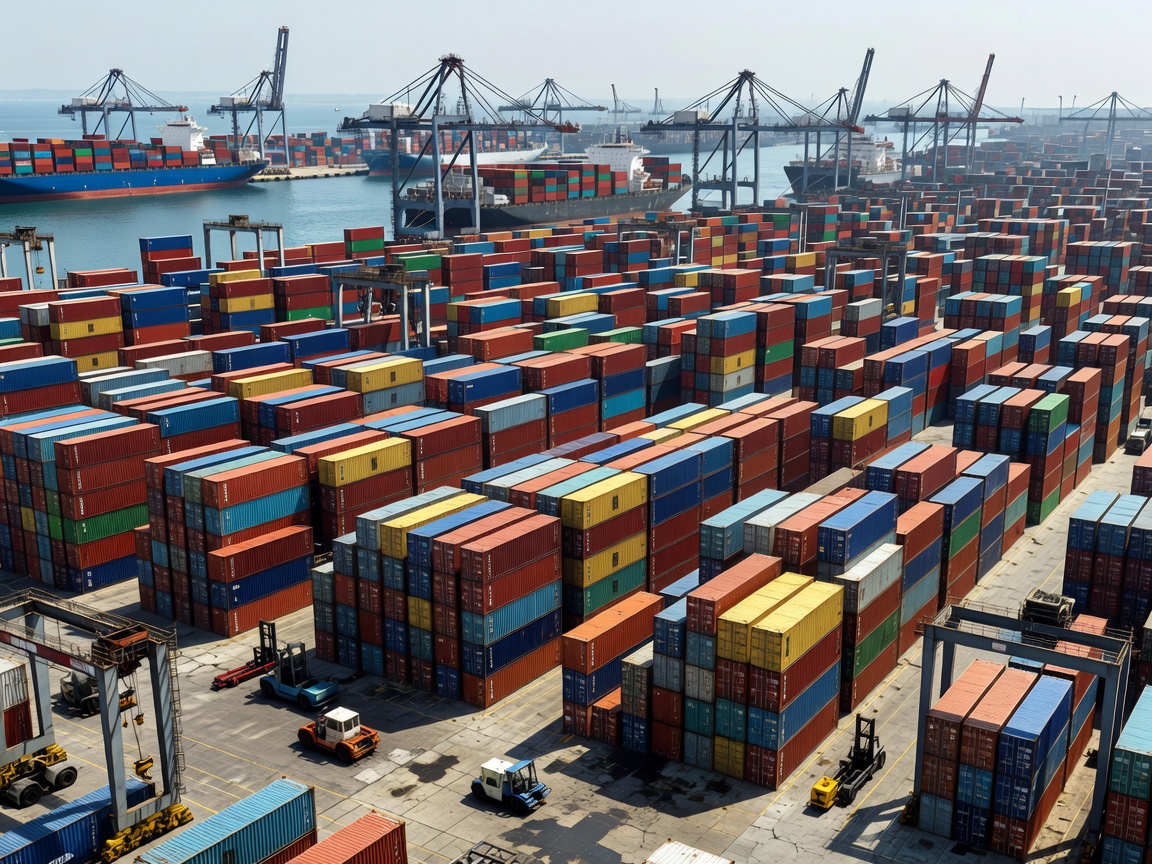
For decades, the global supply chain operated on a simple premise: source materials from the cheapest location, assemble them where labor costs were lowest, and ship them to consumer markets via the most efficient routes available. Transparency extended only as far as Tier 1 suppliers (direct vendors). What happened deeper in the network was largely treated as a black box.
Regulatory pressures, consumer demand, and environmental realities have shattered that paradigm. Today, building a sustainable supply chain is not merely a marketing exercise; it is a fundamental compliance requirement. However, mapping and cleaning up a global logistics network carries significant cost implications and operational friction.
The Scope 3 Emissions Challenge
Carbon footprint reporting is divided into three scopes. Scope 1 covers direct emissions from owned sources. Scope 2 covers indirect emissions from the generation of purchased electricity. Scope 3 covers all other indirect emissions that occur in a company’s value chain. For most manufacturing and retail businesses, Scope 3 accounts for the vast majority of their total greenhouse gas emissions.
Tracking Scope 3 emissions requires unprecedented visibility into the operations of suppliers, logistics providers, and raw material extractors. Companies must now implement sophisticated traceability software, relying heavily on data sharing agreements and blockchain-inspired ledgers to verify environmental claims down to the farm or mine level.
Auditing the Tier 2 and Tier 3 Suppliers
The complexity of supply chain sustainability lies in the deeper tiers. A global apparel brand might have strict environmental and labor standards for the factories that sew its garments (Tier 1). But do they know where the fabric mill (Tier 2) sources its dyes, or whether the cotton farm (Tier 3) uses sustainable irrigation practices?
Auditing these deep-tier suppliers is incredibly difficult. It requires deploying on-the-ground inspectors or relying on third-party certification bodies. Furthermore, many lower-tier suppliers are small operations in developing economies that lack the infrastructure to provide real-time digital reporting. Bringing them into compliance often requires financial investment and capacity building sponsored by the buyer.
The Cost Curve of Compliance
Transparency is expensive. Transitioning to sustainable raw materials, re-routing logistics to lower-emission shipping methods, and implementing enterprise traceability software fundamentally alter the cost structure of goods. In the short term, this puts pressure on profit margins.
There is a persistent debate over who bears this cost. Can brands pass the "green premium" onto consumers? Studies suggest a willingness to pay more for sustainable products, but inflation and economic tightening often test the limits of consumer idealism. Ultimately, companies must find operational efficiencies elsewhere to offset the cost of sustainable sourcing.
Circular Economy Principles
The long-term solution lies in moving away from the linear "take-make-dispose" model toward a circular economy. This involves designing products for durability, repairability, and eventual recycling. Some forward-thinking companies are establishing reverse supply chains, taking back end-of-life products from consumers to harvest raw materials for the next generation of goods.
While the initial setup of a reverse logistics network is capital-intensive, it acts as a hedge against the volatility of global commodity prices. If a company can source its critical materials from its own legacy products, it relies less on international shipping networks and raw material extraction.
Conclusion
Sustainable supply chains represent a massive structural shift in global commerce. The era of willful ignorance regarding lower-tier suppliers is over, replaced by a mandate for total traceability. While the costs of implementing these systems are substantial, they are increasingly necessary to avoid regulatory penalties, maintain market access, and secure long-term operational viability in a resource-constrained world.